Haarlem at a Glance
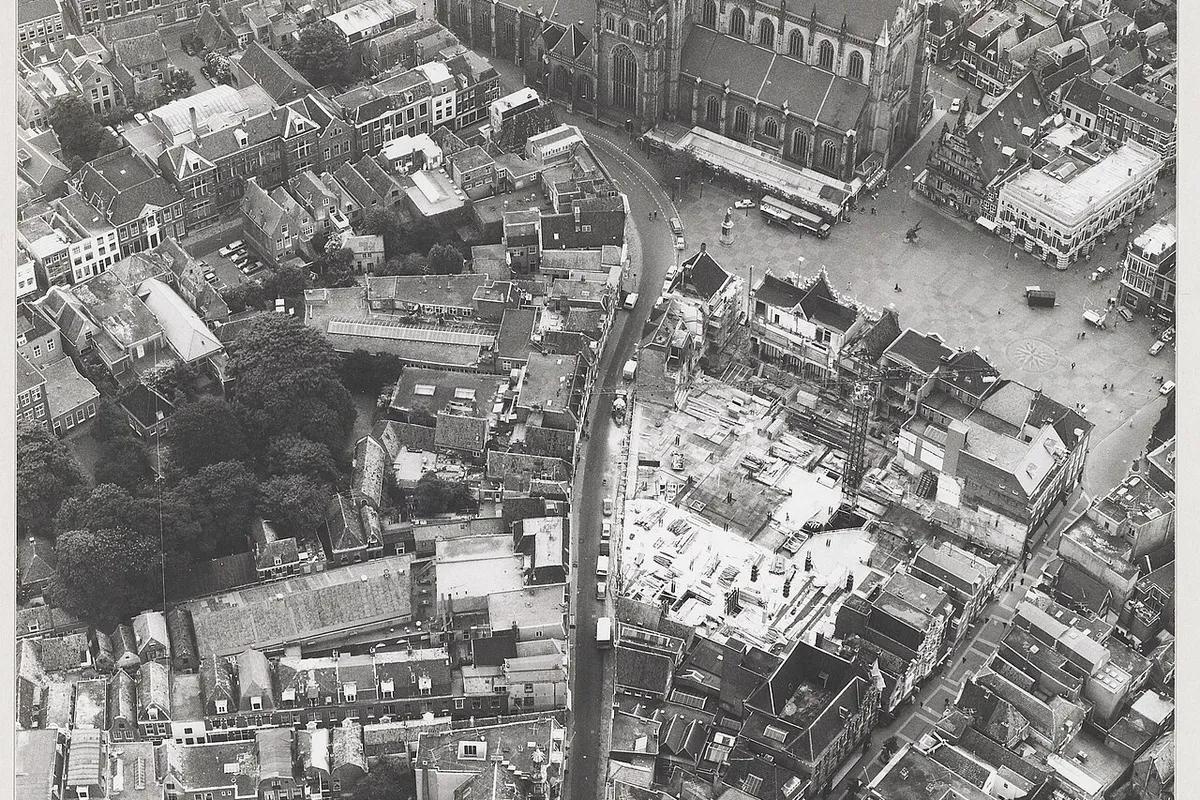 Photo: Haarlem, the Netherlands. Source: Wikimedia Commons.
- Population: 162,000 (city proper)
- Expat population: growing international community; many expats work in Amsterdam and commute
- Main languages spoken: Dutch, English (widely spoken across shops, restaurants, and services)
- Key industries: healthcare, education, creative industries, retail; most expats commute to Amsterdam, Schiphol, or The Hague for corporate roles
- Average commute: 15–17 minutes by train to Amsterdam Centraal; 16 minutes direct to Schiphol Airport; 25 minutes to Leiden
When I first visited Haarlem, I arrived on a Saturday afternoon on a whim. I had been living in the Netherlands for about six months and Amsterdam was starting to feel slightly suffocating — the tourists, the noise, the rent. A colleague mentioned Haarlem in passing and I thought: it is fifteen minutes away, why not look?
I stepped off the train, walked out of what is genuinely one of the most beautiful train stations in the country, and within ten minutes I was sitting in a small café on the Grote Markt watching people cycle past the Grote Kerk with a coffee and a piece of appelgebak. I thought: people actually live here. Then I found out the rent was considerably lower than Amsterdam.
Three years on I know the city far more intimately. It has complications and limitations, which I will be honest about here. But for a certain kind of expat — someone who wants real quality of life, space, proximity to Amsterdam without paying Amsterdam prices — Haarlem is quietly one of the best places in the Netherlands to make a home. For the full picture on making the move, read the detailed Moving to Haarlem guide. This page gives you the fast overview to help you decide if it is worth exploring further.
Cost of Living
Haarlem is noticeably cheaper than Amsterdam, though that gap has narrowed. The city absorbed significant demand from Amsterdam-priced-out renters after 2022, and rents have followed upward. You are still paying meaningfully less than Amsterdam for comparable quality, but the savings are smaller than they were a few years ago.
| Item | Estimated monthly cost |
|---|---|
| 1-bedroom apartment (Centrum, private rental) | €1,200–€1,700 |
| 1-bedroom apartment (outer neighbourhoods) | €900–€1,300 |
| 2-bedroom apartment (Centrum) | €1,500–€2,200 |
| 2-bedroom apartment (Schalkwijk/Noord) | €1,100–€1,600 |
| Monthly OV train subscription (Dal Vrij, off-peak) | €112 |
| Single train journey to Amsterdam | €4.70 (OV-chipkaart) |
| Groceries (single person) | €250–€340 |
| Dinner out (mid-range, two people) | €50–€80 |
| Gym membership | €25–€45 |
The honest cost calculation: you typically save €200–€400/month on rent compared to Amsterdam equivalents, but add back €90–€120/month in transport costs if you commute. Net saving is real but not transformational — the stronger argument for Haarlem is quality of life and space rather than pure cost savings.
Use the Housing Budget Checker to see what your budget covers in Haarlem after Dutch taxes and deductions, and the Cost of Living Calculator to compare your current city against Haarlem before committing.
Best Neighbourhoods for Expats
Centrum — The historic heart of Haarlem: the Grote Markt, the Bavo church, the narrow shopping streets, the canals. Living here puts you within walking distance of everything — restaurants, the Saturday market, supermarkets, the train station. 1-bedroom rents average €1,200–€1,700. Apartments are often old buildings with high ceilings but sometimes poor insulation. Tourist presence in summer and limited parking are the main irritations. Best for single professionals and couples who want walkable urban living.
Vijfhoek — Sits just west of the Centrum and is arguably the most desirable residential area in all of Haarlem. Same Golden Age architecture as the Centrum but primarily residential — quieter streets, fewer tourists, a strong neighbourhood identity. This is where many of Haarlem’s established families and longer-term residents live. 1-bedroom rents average €1,300–€1,900. Premium prices for the area and limited stock available are the main constraints.
Haarlem-Noord — Sits north of the train tracks and has historically had the reputation of being the less desirable side of the city. That perception is changing. New developments, a growing café and restaurant scene around the Cronjé area, and significantly lower rents are drawing younger residents and expats who want more space for their money. 1-bedroom rents average €950–€1,350. More modern housing stock in some areas, but fewer restaurants and cafés close by.
Schalkwijk — Haarlem’s largest residential district, to the south-east of the city. More 1960s and 70s apartment blocks than canal houses, but good facilities, several solid primary schools, sports clubs, and meaningfully lower rents. Popular with families and with those who moved from Amsterdam specifically for space. 1-bedroom rents average €900–€1,300; 2-bedroom €1,100–€1,600.
Working in Haarlem
The honest picture: Haarlem does not have a large corporate employment hub of its own. The main employers within the city are Spaarne Gasthuis hospital, Hogeschool Inholland (university of applied sciences), local government, and the retail and hospitality sector. For most expats arriving in professional or technical roles, the job market requires commuting — primarily to Amsterdam, Schiphol Airport, or Leiden.
What Haarlem offers instead is access. The 15-minute train to Amsterdam Centraal means you have the full Amsterdam job market available without living there. Many expats I know specifically chose Haarlem because it makes Amsterdam-level career opportunities compatible with a more manageable daily life. Schiphol is 16 minutes by direct train, which opens a second major employment cluster for aviation, logistics, and international business roles.
Coworking options within Haarlem are limited compared to Amsterdam. A handful of shared office spaces operate in and around the Centrum, but if remote working is a regular part of your week, you will likely be working from home rather than a coworking space on most days.
For salary benchmarking before or after your move, use the Salary Checker.
Getting Registered
Registration is handled by Gemeente Haarlem. The registration office is the Stadskantoor on Zijlweg — reachable by bike or bus from most of the city. Appointments must be booked online at haarlem.nl.
If you are arriving in the Netherlands for the first time, you must register within five days of arriving. Bring: valid passport or EU ID card, rental contract (or written landlord permission if subletting), birth certificate apostilled and translated into Dutch, English, French, or German, and a marriage certificate if applicable (apostilled).
You will receive your BSN (Burgerservicenummer) at the appointment or shortly after. Everything else in the Netherlands depends on it — bank account, health insurance, salary payment. Do not delay this step.
If you already have a BSN and are moving to Haarlem from another Dutch city, notify the gemeente within five days of moving. You can use the online system at haarlem.nl if you have a DigiD.
Use the BSN Planner to prepare your documents before your appointment and avoid the common reason for rejected registrations.
Healthcare & Insurance
The main hospital is Spaarne Gasthuis, with locations in both Haarlem-Noord and the neighbouring town of Hoofddorp. It provides full general hospital services including an emergency department, and has English-speaking staff across most departments.
For primary care, register with a GP (huisarts) after arriving. Several practices in Haarlem have experience with international patients, though availability is not unlimited — expect to spend a week or two finding a practice with capacity. The GP is the gatekeeper to specialist care in the Dutch system; you cannot go directly to a specialist without a referral, which catches many expats off guard.
Health insurance is mandatory from your first day as a Dutch resident. Premiums in 2026 start around €130–€170/month with a €385 annual deductible. Use the Health Insurance Wizard to compare policies before you arrive — gaps in coverage are expensive and the waiting period after arrival is not long.
Transport
Haarlem Centraal is one of the better-connected mid-sized train stations in the Netherlands. Key connections:
- Amsterdam Centraal: 15–17 minutes, trains every 10 minutes throughout the day
- Schiphol Airport: 16 minutes direct — faster than many Amsterdam postcodes
- Leiden: 25 minutes
- The Hague: approximately 45 minutes
For regular Amsterdam commuters, a train subscription is worth calculating. The NS Dal Vrij subscription (off-peak, unlimited) costs around €112/month. If your employer offers flexible or remote working options, this covers most of your commuting needs. A single journey to Amsterdam costs around €4.70 with your OV-chipkaart. For setting up your OV-chipkaart when you arrive, see the OV-chipkaart guide for expats.
Within Haarlem, cycling is the default — flat terrain, good infrastructure, and short distances make the bike faster than the bus for most journeys. Almost everything in the city is reachable in under fifteen minutes. Zandvoort beach is 25–30 minutes by bike through the dunes, or 12–15 minutes by summer train service from Haarlem Centraal.
By car, the A9 connects to the motorway network towards Amsterdam, Schiphol, Alkmaar, and beyond. Parking in the Centrum is paid and expensive (€2.50–€4.00/hour). If you need a car regularly, Schalkwijk or Noord makes the parking situation considerably more manageable than the Centrum.